

Young Lion Brewing is getting a new home — and, maybe more importantly, a fresh chance to stick around.
The former Canandaigua brewery, once one of the Finger Lakes’ most visible craft breweries, is entering its third act. Rohrbach Brewing Co., Rochester’s oldest craft brewery, has purchased the Young Lion brand from Penfield-based K2 Brothers Brewing for an undisclosed sum, bringing its recipes, logos, tap handles, and hard-earned reputation under the roof of a brewery that knows a thing or two about longevity.
It’s a move that feels less like a splashy acquisition and more like a sensible handoff: a newer brand with a loyal following landing with an established brewery that has the space, experience, and patience to keep it alive. The Rohrbach-produced Young Lion beers will hit the shelves in the coming weeks.
“When the whole Other Half acquisition happened, we weren’t in the position to take the brand on,” rohrbach founder John Urlaub said. “In general, I used to think if it wasn’t something you owned and grew on your own and were passionate about, over time, it would kind of die. But I think that Young Lion has a great reputation in the marketplace. It has always made quality beers. I think they’re approachable. I think they just fit for us.”
Founded in 2017 on the shores of Canandaigua Lake, Young Lion set out to be accesible from day one. The beers weren’t gimmicky. The branding was friendly without trying too hard. The taproom — anchored by a 30-barrel brewhouse — quickly became a destination, especially in the warmer months when the lake did half the marketing for them.
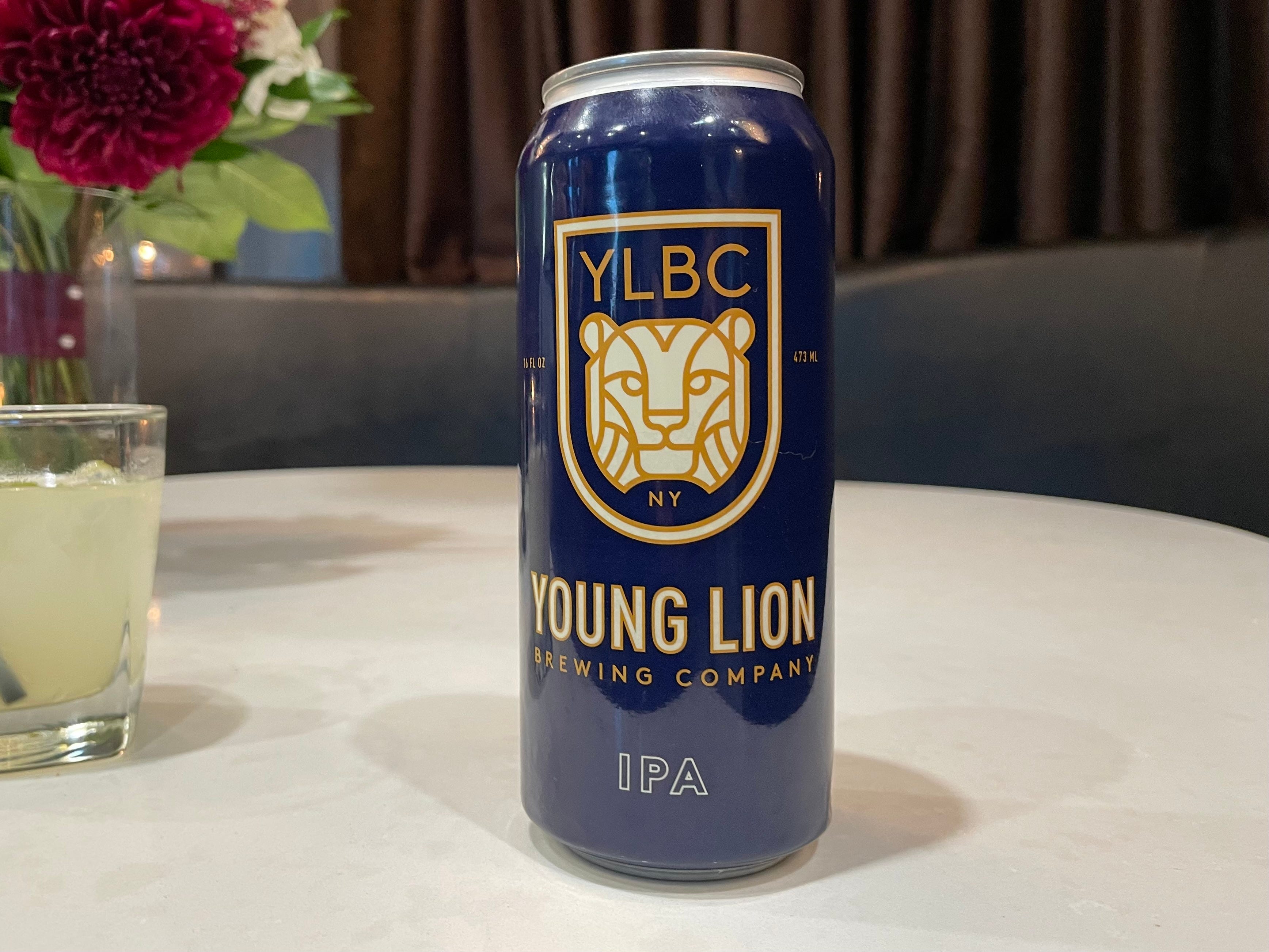
What really set Young Lion apart, though, was consistency. The brewery built a following on crisp lagers, clean IPAs, and sours that managed to be bright and drinkable without veering into science-experiment territory. (I’ve long argued they quietly made some of the best kettle sours in the region — balanced, restrained, and actually finished. Rohrbach doesn’t have any plans to produce the sours right off the bat.)
That consistency paid off. Distribution ballooned to more accounts across New York, from grocery stores to bars to festival tents. If you were at a summer concert at CMAC, chances were decent you were holding a Young Lion can. Even if you never made the trip to Canandaigua, the brand found a way to meet you where you were.
But ambition and sustainability don’t always move in lockstep, especially in craft beer. In 2023, Young Lion made a pivotal decision: selling its taproom and brewing system to Other Half Brewing. It was a move that surprised some fans, but it wasn’t an obituary. The sale allowed the brand to shed real estate and equipment while retaining its intellectual property — the recipes, the name, the identity that made it recognizable.
Eventually, those brand assets were acquired by K2 Brothers Brewing, which at the time was expanding aggressively while working to open its own production facility in a former school building in Wayne County.
For a stretch, Young Lion brewed some K2 beers in Canandaigua before shifting that production to the Wayne County project. That facility — ambitious in scope and expensive to retrofit — ultimately proved unsustainable. K2 Brothers Brewing closed the operation and is now facing some legal woes.
That context matters. Young Lion didn’t disappear because people stopped drinking the beer. It drifted because it was tethered to a contract-brewing operation that itself was struggling to find stable footing. By the time Rohrbach entered the picture, Young Lion existed largely as a brand in waiting: recognizable, respected, but without a permanent or predictable production home.
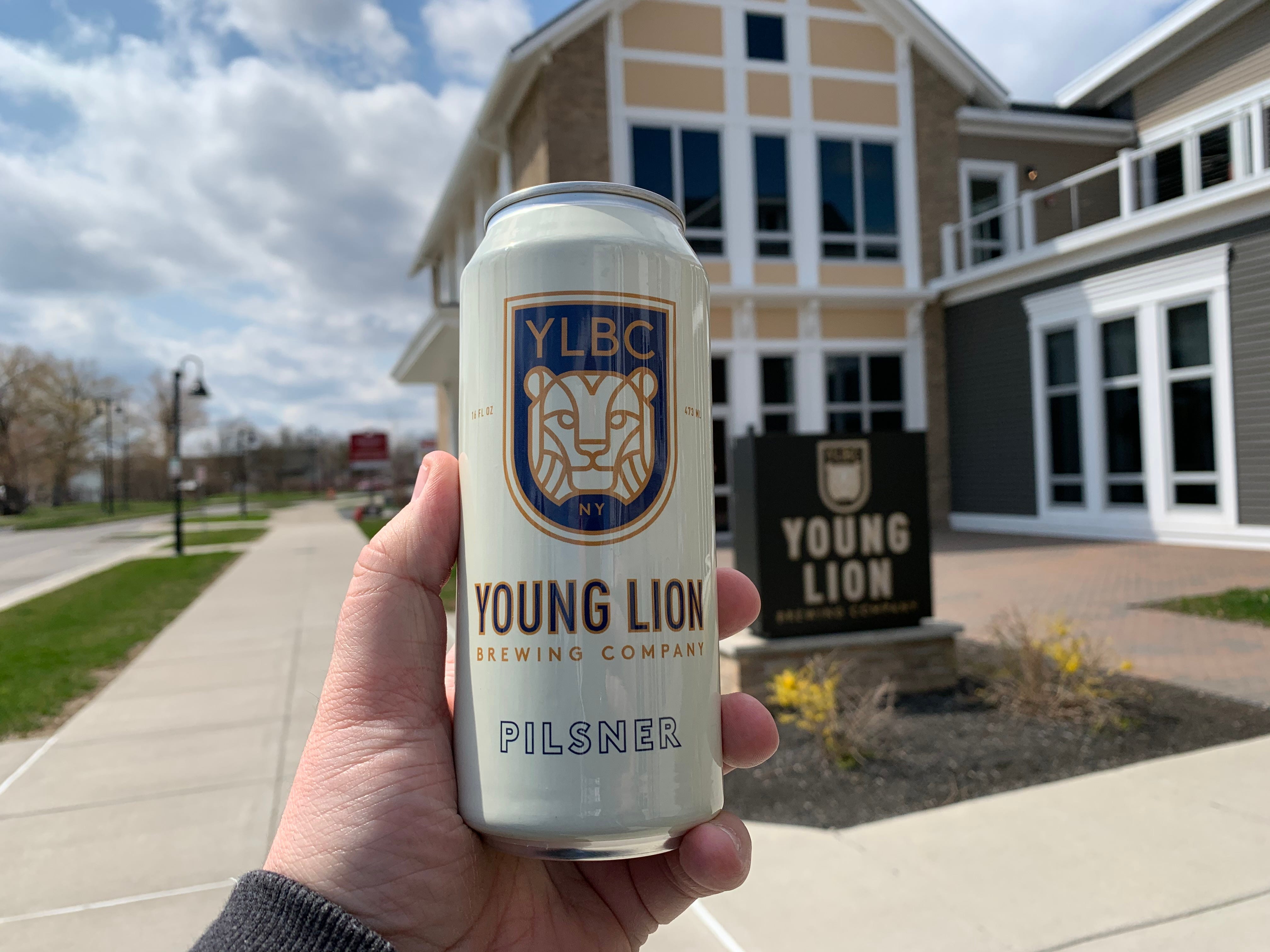
That’s where Rohrbach comes in. The Rochester brewery acquired the Young Lion brand from K2 Brothers Brewing, taking full ownership of its recipes, trademarks, logos, and tap handles. The beers will now be brewed at Rohrbach’s Railroad Street production facility, backed by a brewery that has been operating continuously since 1991 (though at different locations) — through recessions, industry shifts, and more than a few trend cycles. At first, Rohrbach will release Young Lion’s flagship trio of Pilsner, IPA, and Lakeshore Haze IPA.
“We’ve been working on this for quite a while, because their whole (K2) situation is a little bit complicated,” Urlaub said. “But we finally found a way of doing it. And we’re extremely excited.
“It’s a little unique, because it’s going to continue to be distributed by Wright Beverage in Monroe County. (Rohrbach self distributes its own beers here.) We don’t currently do business with them. But they’re excited about it, because it’s currently one of their only local craft brands. It gives it a lot of push or emphasis. Even though they have a huge book, I think they think very highly of the Young Lion brand. That partnership could be very beneficial.”
If you’re looking for symbolism, it’s hard to miss. One of Rochester’s most established brewing institutions is taking responsibility for one of its more modern craft brands, at a moment when the industry has become far less forgiving of risk.
“As a brand, it fits in with our brand,” Rohrbach vice president of brewery operations Joel Will said. “It’s going to remain its own thing. We’re not changing the recipes. As a brand, it really fits with what we do well. Approachable. At Rohrbach, we’ve always focused on approachable beers.”
Continuity was a driving factor in the deal. Current Rohrbach head brewer Dan McCumiskey previously served as head brewer at Young Lion, giving him firsthand familiarity with the recipes, processes, and intent. “It’s an ace in the pocket there,” Will said.
“This is a perfect fit,” said Jen Newman, co-founder of Young Lion Brewing. Newman cited her long-standing relationship with Urlaub, who she says has been a mentor since Young Lion’s early days. Urlaub said their friendship predates Newman planning to open the brewery. Seeing the brand land with Rohrbach, she said, ensures it will be “respected, protected, and allowed to grow.”
Urlaub echoed that sentiment, framing the acquisition less as an expansion play and more as stewardship. Rohrbach, he noted, has always emphasized people and process first — a philosophy that aligns closely with how Young Lion built its reputation.
That distinction is important, especially to drinkers who’ve watched too many familiar brands quietly fade after changing hands. This isn’t a “we can fix it” scenario. Young Lion isn’t broken. What it needed was stability: tank space, production know-how, and a business structure that doesn’t require constant reinvention just to survive.
From Rohrbach’s perspective, the fit makes sense. The brewery gets a respected brand with a built-in audience and a portfolio that complements its own. Young Lion gets scale, consistency, and a production home that doesn’t hinge on contract availability or short-term workarounds. The Railroad Street facility stays busy. The tap handles keep spinning.
And crucially, the beers stay the same. Same recipes. Same intent. Same balance between familiarity and just enough experimentation to keep things interesting. No sudden pivots. No forced rebrands. No “new and improved” labels quietly signaling something else entirely.
For the broader Rochester and Finger Lakes beer scene, the acquisition feels like a rare bit of good news in a tough stretch. The past few years have been unforgiving for small and mid-sized breweries, especially those caught between taproom-centric business models and the realities of distribution economics.
Young Lion surviving — and doing so in a way that honors its original identity — is notable. It’s proof that not every brewery story has to end with a “formerly of” footnote. Sometimes, a third act really does materialize.
There’s also something quietly reassuring about where Young Lion landed. Rohrbach is not a trend-chasing brewery. It doesn’t lurch from style to style. It built its reputation on beers that stuck around long enough to become fixtures: Scotch Ale, Space Kitty, and others that earned their place through repetition and reliability. That mindset bodes well for a brand whose appeal was never about novelty for novelty’s sake.
In the current beer landscape, adaptability and resourcefulness are key to thriving. Urlaub noted that Rohrbach actually experienced modest growth in 2025.
“Adaptability and needing to adjust and doing what we need to do to grow, that’s a huge factor in this,” Will said.
If you’re a drinker, the practical takeaway is simple: you’ll keep seeing Young Lion beers on shelves and taps, and they’ll taste like you remember.
If you’re watching the local beer industry more closely, the takeaway is broader. This is what a responsible transition can look like. A brand passes through an ambitious but ultimately unstable operator, lands with a brewery built for the long haul, and gets a chance to exist again without apology.
Young Lion is back — not as a nostalgia act, not as a reboot, but as a continuation.
K2 Brothers Brewing acquires Young Lion Brewing recipes and brands

In its initial release about its sale of its tasting room and production space to Other Half, Canandaigua-based Young Lion left open the door for more news on the horizon.
Any chance someone, if not K2, will eventually brew K2’s beers? I especially miss their jalapeño cream ale